Car Key Replacement by Vehicle Brand — What Makes Each Job Different
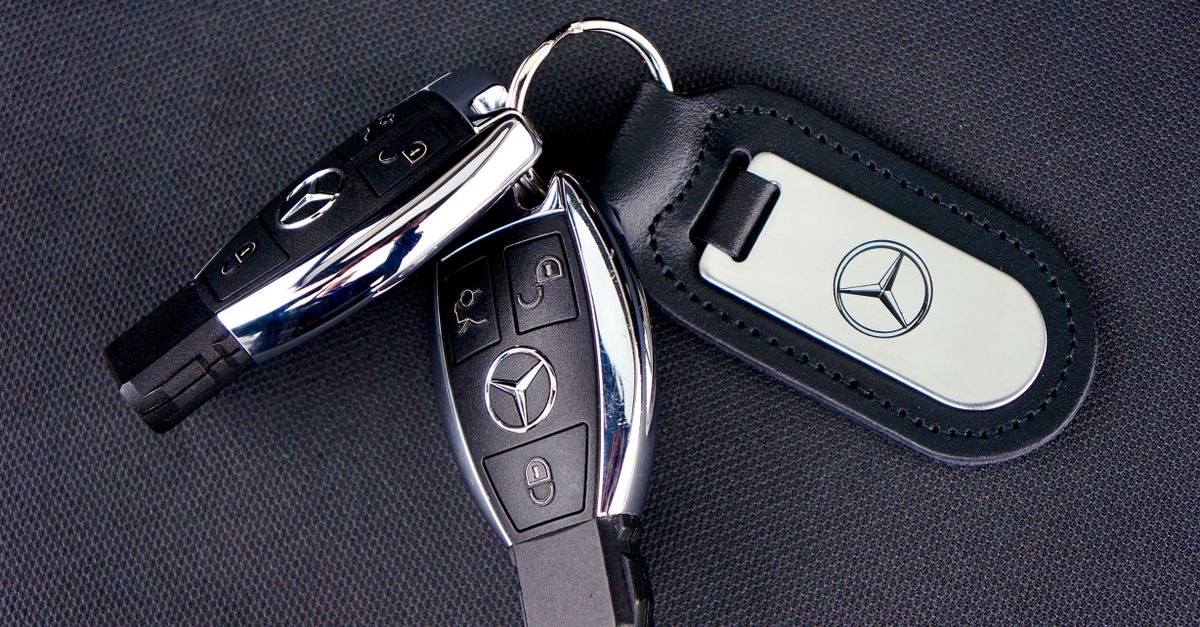
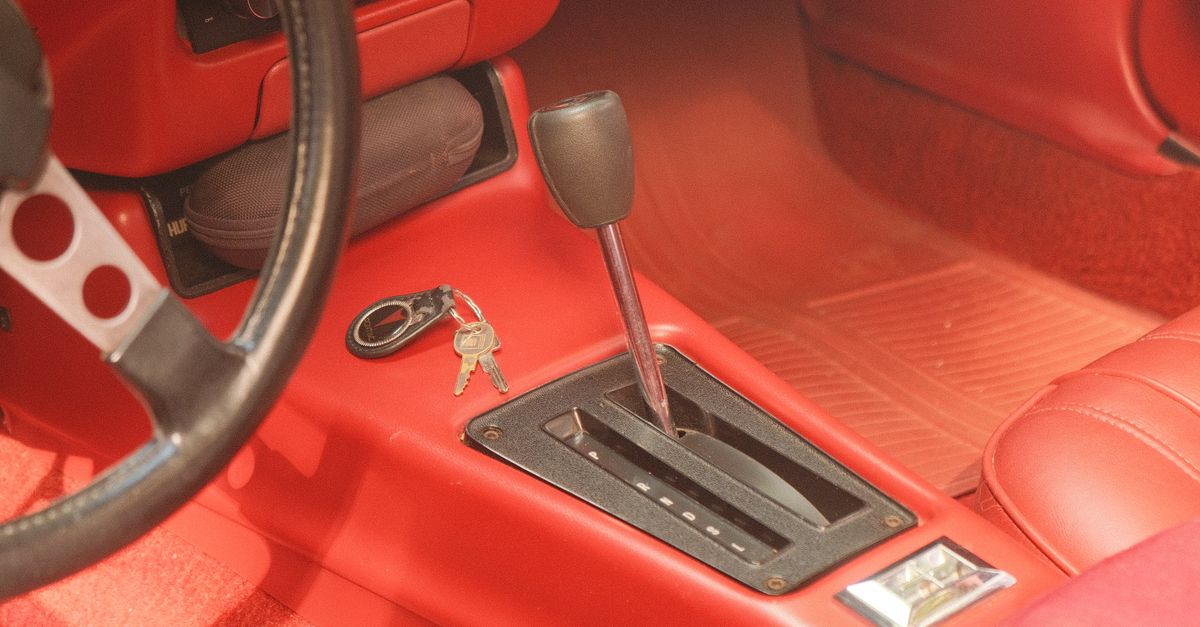
Not every vehicle key is created equal, and the replacement process varies significantly depending on your make and model. A basic key for an older domestic vehicle — a pre-2000 Ford F-150 or a classic Chevy pickup — may require only a mechanical cut with no electronic component at all. Move into a newer Toyota Camry, Honda CR-V, or Nissan Altima and you are dealing with a transponder chip that must be programmed to communicate specifically with that vehicle's immobilizer system. Premium brands take complexity even further: BMW and Mercedes-Benz proximity keys, Ford Mustang intelligent access fobs, RAM 1500 push-button start systems, Jeep Grand Cherokee smart fobs, and Hyundai or Kia push-to-start remotes all require brand-specific programming sequences and, in many cases, proprietary software that reads directly from the vehicle's onboard diagnostic port.
Luxury and European vehicles — Audi, Porsche, Land Rover, Lexus — often require dealer-level programming equipment that only a well-equipped mobile locksmith carries in the field. Chevrolet and GMC trucks popular across the Las Vegas valley's construction and trade workforce typically use transponder or VATS keys with resistance-coded programming. Tesla key cards and key fobs are handled differently still, relying on a digital pairing process rather than a traditional cut-and-program sequence. Our technicians stay current on the evolving technology across all these platforms, which means we can produce a fully functional replacement — cut and programmed — on the spot, wherever your vehicle is sitting.